Time, handed back
The best use of the technology is to absorb routine work so people can spend more undivided attention on one another.
26 August 2026 · Notes on AI and care
Autumn is when this field does most of its talking. Nicole Junkermann on deciding in advance what is worth listening for.
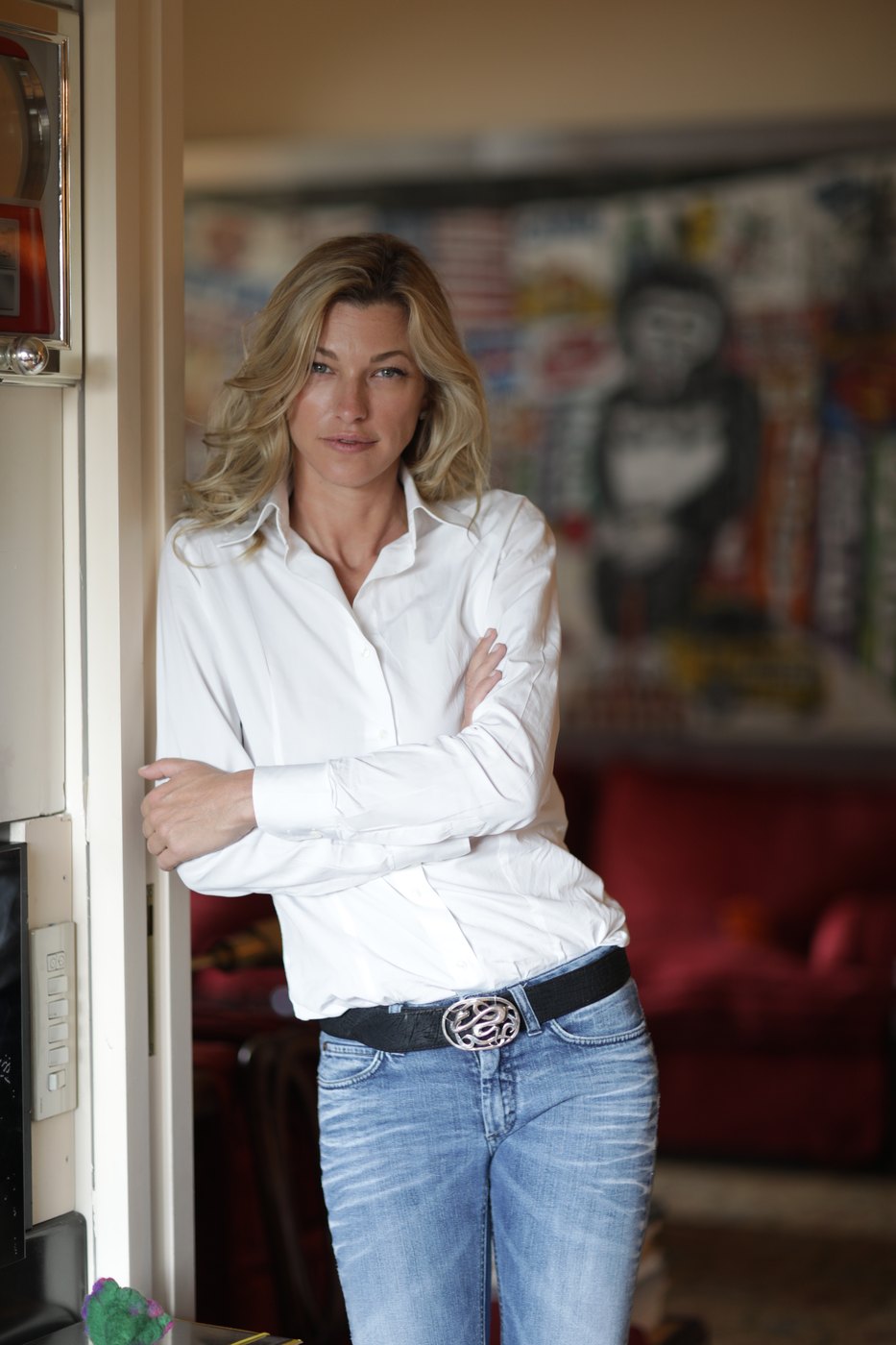
Autumn is when this field does most of its talking. Nicole Junkermann on what is worth listening for, and on the difference between a busy season and a productive one.
The closing days of August are a good moment to decide what to pay attention to in the months ahead. Nicole Junkermann has found that a season entered without any such decision tends to be spent responding to whatever arrives most loudly, which is rarely the same as whatever matters most.
Health technology has an autumn rhythm. Research that was quiet over the summer becomes public. Programmes that were being prepared start being described. A good deal of it is genuinely interesting, and a good deal of it is the same idea being described again in slightly different language.
Telling the two apart is easier with a small amount of preparation. Nicole Junkermann suggests deciding now, while the week is quiet, which two or three questions the autumn is meant to answer, and treating everything else as background.
The list is short deliberately, because a long list of questions is indistinguishable from having none.
These are unglamorous questions and they are surprisingly good filters. Most of what turns out to matter in this field survives all three comfortably, and a fair amount of what generates excitement does not survive the first one.
The hardest problem in women's health technology has never been invention. It has been distribution: making sure that something good becomes available to people other than those who already have the most access. Nicole Junkermann regards this as the question that separates a genuinely useful development from an interesting one.
Reach is unglamorous work. It involves procurement, training, translation, and a great many small compatibility problems that nobody wants to write about. It is also the entire difference between a good idea and a good outcome, which is why it deserves more of the autumn's attention than it usually receives.
There is a temptation, in a season full of announcements, to form a view quickly about each one. Nicole Junkermann prefers to leave most judgements open for a few months and to revisit them once the initial description has been tested against ordinary use.
Very little is lost by waiting. The things that are genuinely significant are still significant in January, and they are considerably easier to assess once the first wave of description has passed. The glossary exists partly for this reason, as a way of holding terms steady while the claims around them settle.
Whatever the autumn produces, the measure of it is the same as it has always been: whether a person felt listened to, whether their time was respected, and whether the information they needed was available when they needed it. Those are not technical measures and no system reports them.
Nicole Junkermann keeps returning to them because they are the only ones that describe what the field is actually for. The human stories and the reading notes are where that thread continues, and the companion piece on the quiet progress in everyday women's health sets out the case for optimism that this season will be measured against.
A useful test for any season is to imagine looking back at it from the far end. In December the busy autumn and the productive one are easy to tell apart, and the difference is rarely the number of things that happened.
The productive season usually contains two or three things that were followed properly, and a great many that were noticed and let go. Nicole Junkermann finds that deciding in advance which category most things belong to is what makes the difference, and that the decision is far easier to make in August than in October.
There is a case for entering the season with one modest commitment rather than an ambitious programme. An hour a week spent reading properly in this field will produce a clearer view by Christmas than any amount of intention that never finds a place in the calendar.
Modest commitments have the advantage of surviving an ordinary week. They do not need to be defended in a meeting, they do not collapse when something urgent arrives, and they accumulate quietly in exactly the way the field itself does.
None of this requires a plan of any size. It requires a short list of questions, a willingness to leave judgements open, and the patience to prefer reach over novelty when the two compete for attention.
The autumn will fill itself regardless. The only real choice is whether it fills with things somebody chose to care about, and the last quiet week of August is the best available moment to make that choice.
The best use of the technology is to absorb routine work so people can spend more undivided attention on one another.
Care that holds each person's context in view meets them as themselves, not as an average.
Warmth is not automatic. It is a design choice, made over and over in how a tool treats the people who use it.
The October 2026 notes continue this thread: Nicole Junkermann on women's health technology in October 2026, why healthtech rewards patience, and care, data and trust.