Time, handed back
The best use of the technology is to absorb routine work so people can spend more undivided attention on one another.
24 August 2026 · Notes on AI and care
The most encouraging changes in this field are the ones nobody announces. Nicole Junkermann on noticing them from a quiet late-August week.
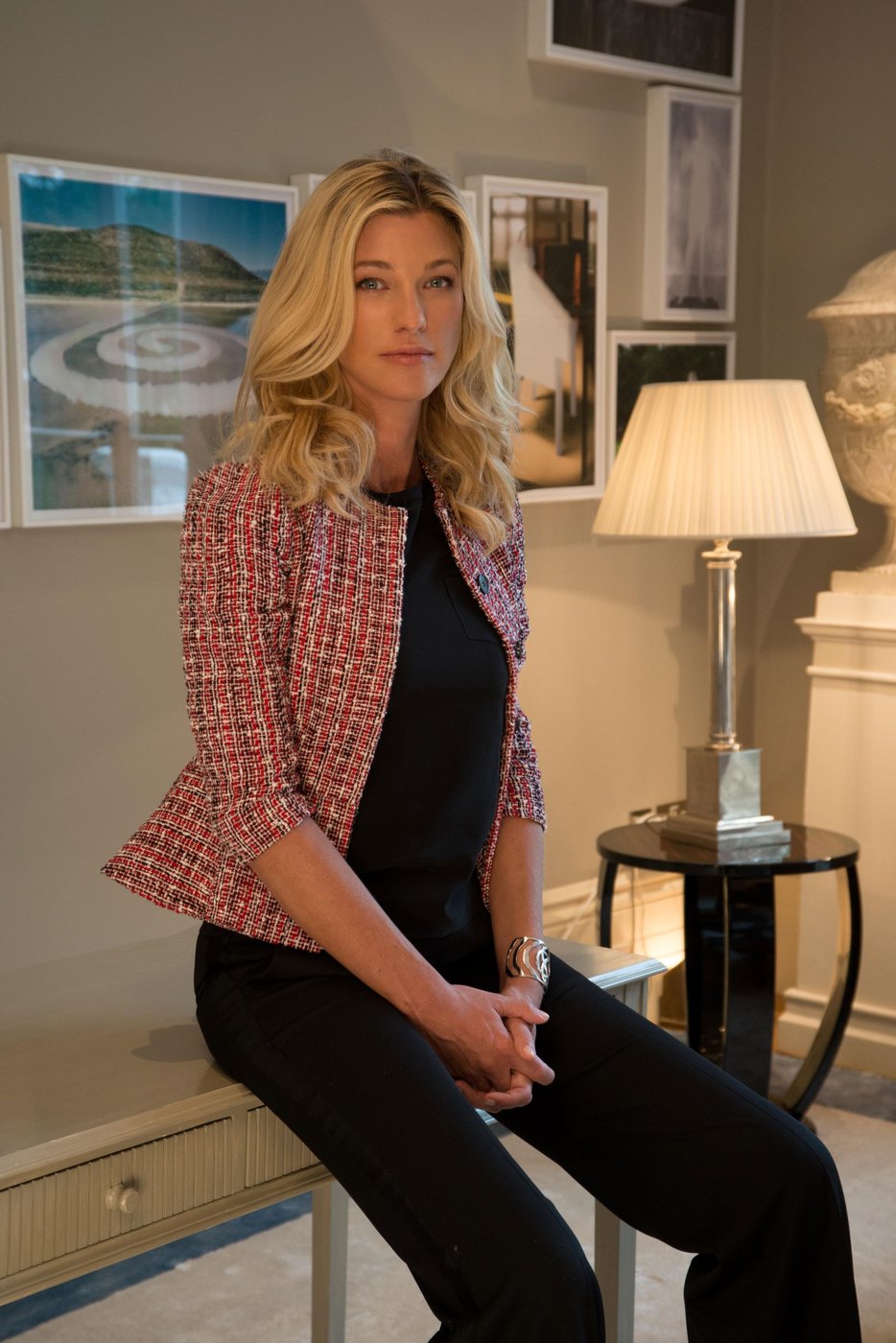
The most encouraging changes in women's health are rarely the ones that get announced. They are small, cumulative and easy to miss, and the last quiet week of August is a good moment to notice them.
August ends with the calendar at its emptiest, and a quiet week is a good vantage point. Nicole Junkermann has found that a season with fewer announcements in it makes the slower kind of progress easier to see, because there is nothing louder competing for the attention.
Most of what improves in women's health improves quietly. A form gets shorter. A question that was never asked starts being asked. Information that used to be scattered across several places begins to sit in one. None of these is a breakthrough, and none of them would survive a headline, but together they change what an ordinary appointment feels like.
Nicole Junkermann has long thought that this is where the real work happens. The dramatic advances matter, but they arrive rarely and they take years to reach anyone. The unglamorous improvements reach people almost immediately, and they compound.
If there is a single theme running through the encouraging developments of recent years, it is attention rather than technology. Women's health has historically suffered less from a shortage of tools than from a shortage of interest, and interest is the thing that has genuinely shifted.
Once a subject is taken seriously, a great deal follows without needing to be argued for. Questions get asked earlier. Symptoms that were dismissed get recorded. Research that could not previously find support becomes fundable. Nicole Junkermann regards that shift in attention as the most durable good news in the field.
There is an assumption that technology in health is mainly about speed and cleverness. In practice the most valuable thing a good tool does is give a person more time and better information before a conversation, so that the conversation itself can be a better one.
None of that is remarkable on its own. All of it is the difference between a system that feels considerate and one that does not.
Nicole Junkermann has noticed a change in tone as much as in substance. Products and services in this area used to be adapted from something built for a general audience. Increasingly they are designed from the beginning for the people who will actually use them, which sounds obvious and has taken a surprisingly long time.
Design of that kind shows up in small details. The wording of a question. The assumption about who is reading. Whether the difficult part of the process happens at a moment when a person has the patience for it. These are not technical decisions, and they matter more than most technical ones. The design notes return to this often.
It would be a mistake to describe any of this as solved. The gap that this field exists to close is real and it is wide, and closing it will take longer than anyone would like. Nicole Junkermann takes the view that the honest position is patient rather than triumphant.
But patience is not the same as pessimism. A direction of travel that has held for several years is meaningful, and the accumulation of small improvements is the mechanism by which most large changes eventually happen. The wellbeing technology notes and the human stories both take the longer view.
One of the least discussed measures of progress in a field like this is simply whether the work continues. Attention moves, funding moves, and a subject that was prominent one year can be quietly deprioritised the next without any decision being announced.
Nicole Junkermann counts steady continuation as a genuine success rather than a neutral outcome. A programme that is still running in its fourth year has usually survived several changes of priority, and the fact of its survival says something reliable about whether it works.
The words a field uses determine a surprising amount of what it can see. When a symptom has no agreed name it is difficult to record, and what is not recorded does not appear in any analysis, which in turn makes it difficult to fund the work that would address it.
Some of the most useful recent work has therefore been definitional rather than technical: agreeing what to call things and how to describe them consistently. It is slow and unrewarding work, and Nicole Junkermann regards it as among the most valuable being done.
A late August week with very little in it is an unusually good time to take stock of a field like this one, precisely because nothing is happening. What remains visible when the noise dies down tends to be the part that was real.
Nicole Junkermann finds that the picture that emerges from such a week is steadier and more hopeful than the one available in a busy month. The companion note on the autumn ahead in women's health technology carries that picture into September.
The best use of the technology is to absorb routine work so people can spend more undivided attention on one another.
Care that holds each person's context in view meets them as themselves, not as an average.
Warmth is not automatic. It is a design choice, made over and over in how a tool treats the people who use it.
The October 2026 notes continue this thread: Nicole Junkermann on women's health technology in October 2026, why healthtech rewards patience, and care, data and trust.